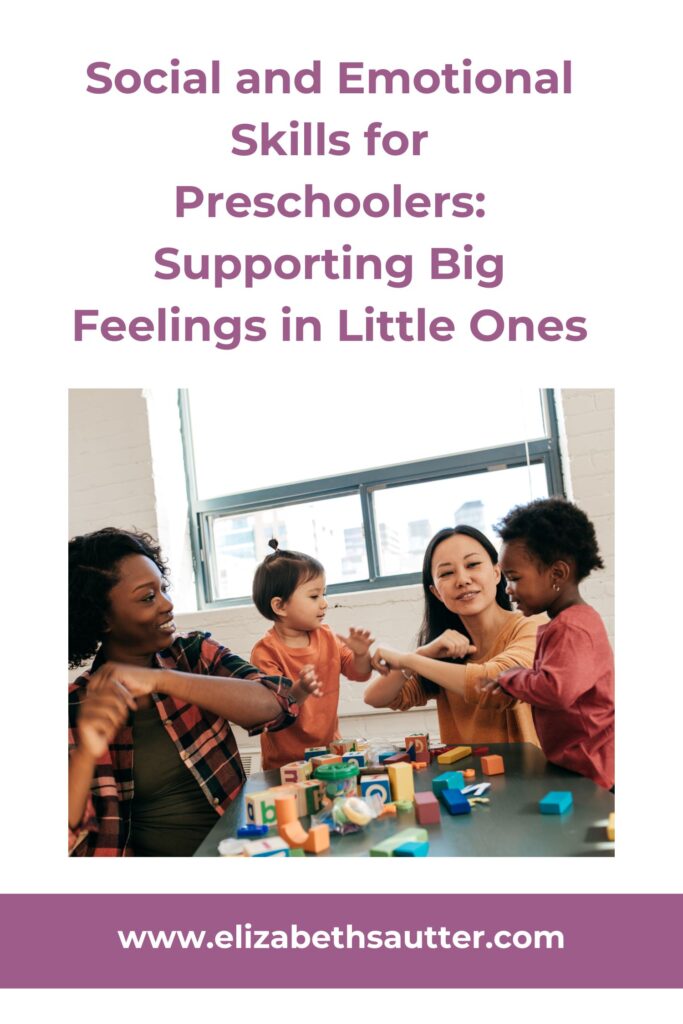
As parents and caregivers, it’s easy to focus on the physical milestones preschoolers achieve, like learning to ride a tricycle or tie their shoes. But their social and emotional growth is just as critical, even if it’s harder to see. Learning to recognize emotions, manage them, and build self-awareness sets the stage for lifelong success.
For preschoolers, especially those who are neurodivergent these years can be full of big feelings and unique ways of exploring the world. It’s a time when they develop emotional resilience and self-regulation, not by conforming to rigid norms, but by discovering strategies that work for them.
Let’s dive into what social and emotional skills look like for preschoolers and how we can nurture these skills in ways that affirm their individuality and strengths.
What Are Social and Emotional Skills for Preschoolers?
Social and emotional skills involve understanding feelings, expressing emotions, and managing challenges. These skills include:
- Recognizing and naming emotions.
- Learning strategies to regulate strong feelings.
- Navigating relationships with caregivers, peers, and siblings.
- Building confidence to explore their world in their own way.
For neurodivergent preschoolers, this journey may look different, and that’s okay. It’s not about meeting specific milestones or comparing progress—it’s about empowering each child to develop these skills in ways that align with their natural interests and needs.
A Strength-Based Approach to Emotional Growth
Preschoolers thrive when their unique qualities and interests are celebrated. Rather than expecting them to fit into a one-size-fits-all model, we can focus on their strengths to guide emotional and social growth.
For example, a child who prefers parallel play might still be developing essential emotional skills by engaging in their own activity while observing others. A neurodivergent preschooler might use movement, sensory tools, or favorite objects to help process emotions. These are not behaviors to “correct” but opportunities to build skills in ways that resonate with who they are.
How to Support Social and Emotional Skills
You don’t need a special curriculum or elaborate tools to help preschoolers build social-emotional skills. Everyday moments are rich with opportunities to nurture their growth:
Create Predictable Routines
Preschoolers feel safe when they know what to expect. A simple morning routine or predictable snack time can help them regulate emotions and transition between activities with greater ease.
Validate All Emotions
Preschoolers need to know it’s okay to feel deeply. Whether they’re overjoyed or frustrated, acknowledge their feelings without judgment. A phrase like, “I see you’re upset it’s okay to feel that way. Let’s figure out what might help,” can provide both validation and guidance.
Use Play as a Connection Tool
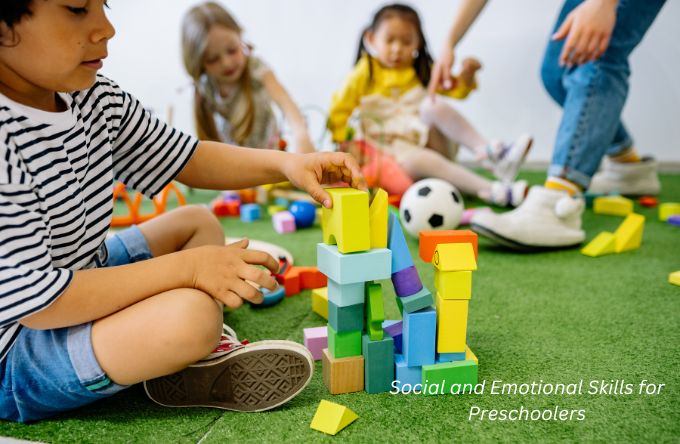
Play is a natural way for preschoolers to express themselves and process emotions. Whether they’re building towers or engaging in sensory activities, follow their lead. Use these moments to comment on what they’re experiencing: “Wow, that looks so fun! It seems like you’re really focused on stacking those blocks.
Be a Calm Anchor
When big emotions arise, your calm presence can make all the difference. Instead of trying to “fix” their feelings, offer support through co-regulation:
- Use a soothing tone and simple phrases like, “I’m here with you.”
- Offer sensory tools like a squishy toy or a cozy blanket.
- Model calming strategies like deep breathing or gentle movement.
Celebrate Strengths
Point out what your child is doing well. For example, “I noticed how much care you took in lining up your toys, that’s an amazing focus!” Highlighting strengths builds confidence and motivates continued growth.
Milestones Look Different for Everyone
Why Social and Emotional Skills for Preschoolers Matters?
Building social and emotional skills isn’t about avoiding tantrums or shaping “perfect” behavior. It’s about equipping kids with tools to navigate life’s challenges and embrace their full range of emotions.
When we guide preschoolers with patience, empathy, and a strengths-based approach, we help them grow into self-aware, emotionally healthy individuals. We show them that they can feel deeply and still find ways to move through those feelings with confidence.
Stay Connected for More Resources
Supporting preschoolers through their emotional development can feel overwhelming, but you don’t have to do it alone. As a mom and therapist, I’ve created resources and tools to help families navigate this journey with confidence and joy.
Visit ElizabethSautter.com to explore free downloads, workshops, and more tips for building social-emotional skills. Don’t forget to join my newsletter and follow me on social media for encouragement and fresh ideas.
Let’s grow together—one moment, one emotion, one skill at a time.