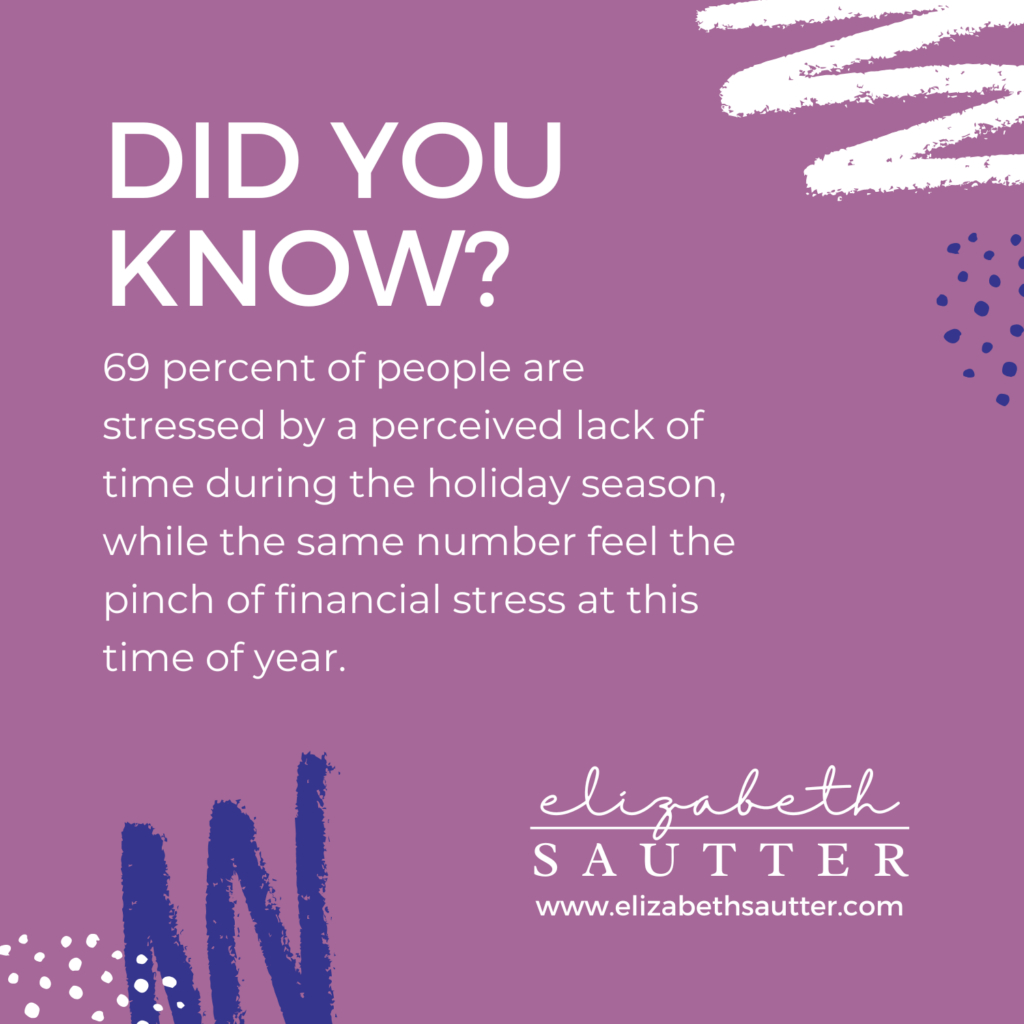
The holiday season is here. The calendar’s already full, the gift list keeps growing, and somewhere in between you’re trying to keep everyone’s routines on track. If you’re feeling stretched thin, you’re not alone. For many people, including myself, this season brings as much stress as it does joy.
The numbers back that up. In a November 2025 poll from the American Psychiatric Association, 41% of U.S. adults said they expected more holiday stress than the year before, up from 28% in 2024. Nearly half (48%) were worried about missing someone or grief, and 46% were worried about affording or finding gifts.
If you’re raising a neurodivergent child or teen, the holidays can bring extra layers: noisy, crowded rooms, changes to routine, travel, waiting, and disappointment when things don’t go as planned. When one person’s struggling, the whole family feels it.
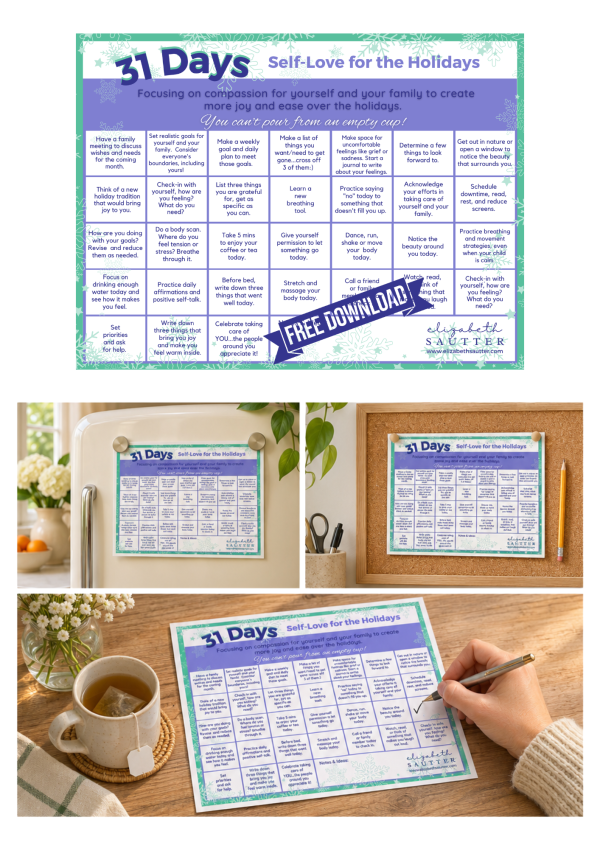
Looking for one small thing to do each day? Grab my free 31 Days of Self-Love for the Holidays calendar. Each day has a simple idea for caring for yourself and your family through the season.
Self-care can sound like one more thing on the to-do list. It isn’t about spa days or being selfish. It’s about noticing what you and your family need and making room for it, on purpose. Here are a few ways to help you (and your kids and teens) manage stress this season, so there’s more room to enjoy it.
Keep Routines Where You Can
The holidays bring a lot of extra: parties, school events, family visits and late nights. Kids and teens do best with some predictability, so constant changes combined with noise, crowds and less sleep can take a toll on how they feel and how they cope. The same goes for us. Late nights and online shopping after bedtime can leave you running on empty.
You won’t keep every routine, and that’s okay. Pick a few anchors to hold onto, like bedtime, wake-up time or a quiet morning, and protect those. For kids who struggle with change, a simple visual schedule of what’s coming up this week can make transitions much easier.
Give Yourself Permission to Say No
The season is full of sparkly, fun events, and it’s tempting to say yes to all of them. But too many activities can wear everyone down. It’s okay not to go to everything you’re invited to. Many of us feel guilty saying no, especially without a “good reason.” Self-care also means choosing where you spend your time and energy, and saying no without guilt. When you say yes to something, you’re saying no to something else.
This applies to kids and teens too. For many kids, especially neurodivergent kids and teens, a packed schedule means more noise, more crowds and more transitions, and staying home can feel like the best part of the break. Talk with them about how they’re feeling about the schedule, and watch for signs of sensory overwhelm, like getting irritable, wanting to leave early or needing time alone. Sometimes the best plan is fewer events and more downtime, for everyone.
Saying no gets easier with practice. It’s one of the daily prompts in the free 31 Days of Self-Love for the Holidays calendar, along with ideas like scheduling downtime and checking in with yourself.

Plan Ahead
Planning ahead may sound obvious, but hear me out. As parents, we’re ruled by our calendars, and that’s never more true than during the holidays and school breaks. As you map out everyone’s schedules, put in time for yourself too: time to rest and recharge. Treat it like any other appointment, and you’re much more likely to keep it.
The same goes for downtime. It’s just as important as any meeting or party, so scheduling time to just BE is a vital piece of the self-care puzzle. After a day of gatherings, a quiet day of reading, resting or watching movies can help everyone reset. For kids and teens who get overwhelmed by busy days, that quiet time between events matters even more.
Give the Gift of Time
It’s easy to go overboard with gifts, and both the time and the money add to holiday stress. Giving the gift of your time can sound cliché, but it means more than you might think.
Our phones keep us tied to work and social media all day. Even when we think we’re present, we’re often watching the moment from behind a screen, trying to get the perfect photo. Try picking one time at the start or end of an event to take pictures, then keep your phone in your pocket. At dinner, share favorite holiday memories from when you were young instead of handing over a device. Disconnect. Engage. Love. Think about what your kids will remember when they talk about their favorite holidays.
The holidays can be stressful for a million reasons, big and small, and some of that stress is out of our hands. Self-care won’t prevent every meltdown. But with a little planning, some mindfulness and a lot of compassion for yourself, you can turn “bah humbug” into “the most wonderful time of the year.”
Grab Your Free 31 Days of Self-Love for the Holidays Calendar
One small idea a day to care for yourself and your family through the season, from planning and saying no to breathing, laughing and noticing what’s going well. Get the free calendar here.
Want ideas for the rest of the year? The Make It Stick 12-Month Social-Emotional Calendar has 365 ideas, tools and activities for self-care, managing emotions and connecting with your child, all year long.