It’s not easy to relive difficult moments, but some stories need to be shared, especially the ones that change everything.
This is about the day I broke down in the principal’s office, fighting for my son’s wellbeing and learning needs.
That office had become far too familiar. My son, labeled as “one of those kids,” often missed out on recess or ended up with his name written on the board.
Side note. Using those labels never feels right. I don’t believe in blaming kids for systems that are not built to support them. But that was the reality we were facing.
That day, I sat across from the principal already exhausted and emotionally worn down. I tried to explain my son’s needs, how he needed understanding, movement, and accommodations, not punishments.
Months of advocacy, paperwork, and specialists had led us to that moment. I truly believed change was coming.
Instead, I was told my son did not qualify for help. And worse, that maybe I was the problem.
I was accused of being too involved. Too protective. Too vocal. I was told that any email I sent to my son’s teacher could be shared with the entire school, no matter how personal the content.
That was the moment the tears came.
I felt helpless, exposed, ashamed, and completely alone.
I remember telling my husband that I needed to get out of that room. After that, things are blurry. It was one of the hardest days of my life.
The next day, the principal called my husband, not me, and said they would put an IEP and supports in place for our son.
Even though it hurt deeply, I am grateful I did not give up.
That day changed my life.
I promised myself I would do everything in my power to help other families avoid feeling that same isolation, judgment, and helplessness.
If any part of this story feels familiar, I want you to remember this:
You are not alone.
This is not your fault.
And you do not have to do this by yourself.
Why I Do This Work
That experience clarified my purpose as a speech language pathologist and parent coach.
I shifted my career toward supporting parents and caregivers, because when adults are supported, children are supported too.
I wrote my book, Make Social and Emotional Learning Stick, started this blog, and began creating practical, strengths based tools to help families navigate executive functioning challenges, emotional regulation, and daily stress at home and at school.
Everything I create is rooted in real life moments, the hard mornings, the after school meltdowns, the bedtime struggles, and the deep desire to feel more connected and confident as a parent.
Start Here, Free Support for Hard Moments
If you are looking for practical support right now, this is a great place to begin.
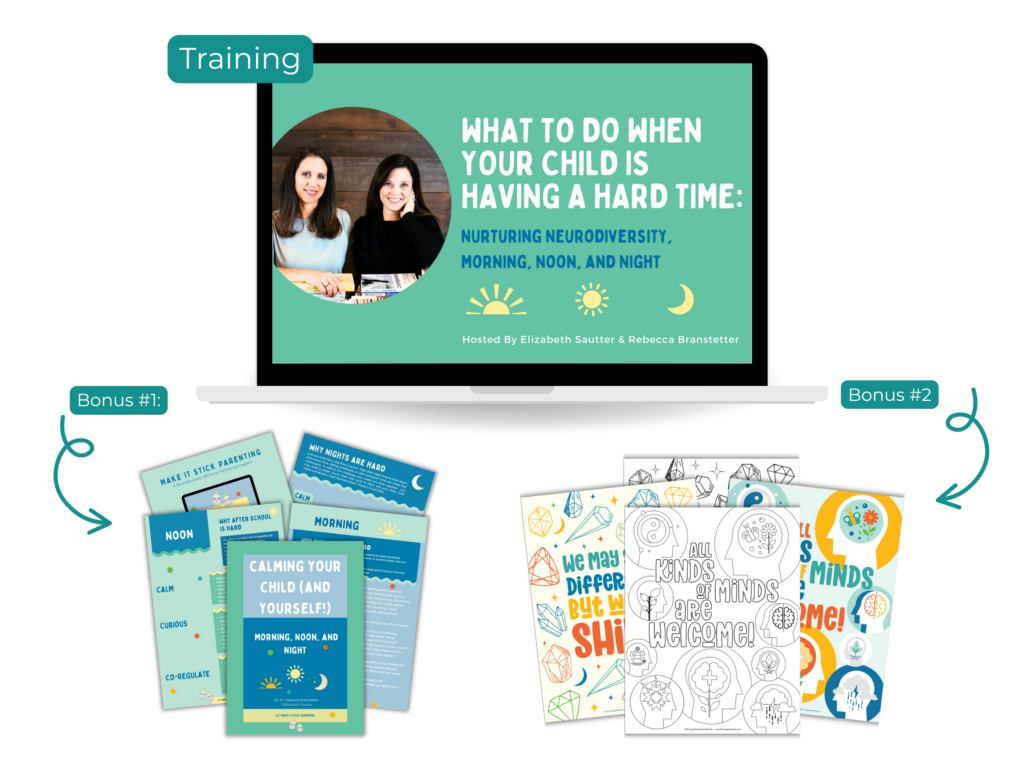
What To Do When Your Child Is Having A Hard Time
Nurturing Neurodiversity, Morning, Noon, and Night
This free 20 minute mini training will help you understand what is really going on for your child and how to support them in ways that actually help.
Inside, you will learn:
WHY your child may be struggling with executive functioning, social communication, or emotional regulation, so you can better understand what is underneath their challenges.
WHAT you can do and say in stressful parenting moments that supports growth and connection, instead of escalating the situation.
HOW to support your child in the morning, after school, and at bedtime, so daily routines feel smoother and more doable.
PLUS strengths based activities for your child and a simple cheat sheet to bring more calm and clarity to your parenting.
Want Ongoing Support?
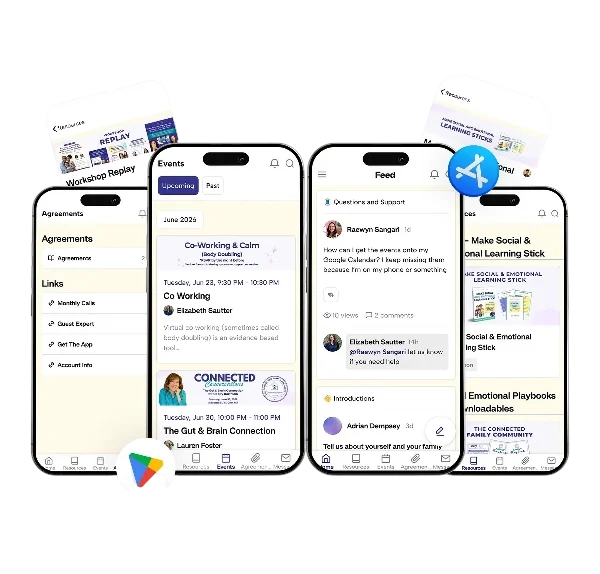
If you are ready to go deeper and want consistent guidance, you are warmly invited to join The Connected Family Community.
This is a supportive, neurodiversity affirming space for parents and caregivers who want tools that work in real life, not just theory.
Inside the community, you will find:
- Coaching and support calls
- Guest experts and practical trainings
- Co working and shared resources
- A growing library of tools you can return to again and again
- A space where other families truly understand what you are navigating
You can try it free for 7 days and explore at your own pace.
None of us are meant to do this alone.
If you are looking for more ease, connection, and confidence, even on the hard days, I am here. And there is a community ready to walk alongside you.
With care,
Elizabeth